Select your language




Events Calendar

Carl Stein (1824-1902): Oratorio “The Birth of Jesus”, parts 1-2
6:00 p.m. City Church - 7:30 p.m. Castle Church
Walking concert from the city church to the castle church
Schola Cantorum Adam Rener, Wittenberger Kantorei, soloists
Management: Ulrich Hirtzbruch, Christoph Hagemann
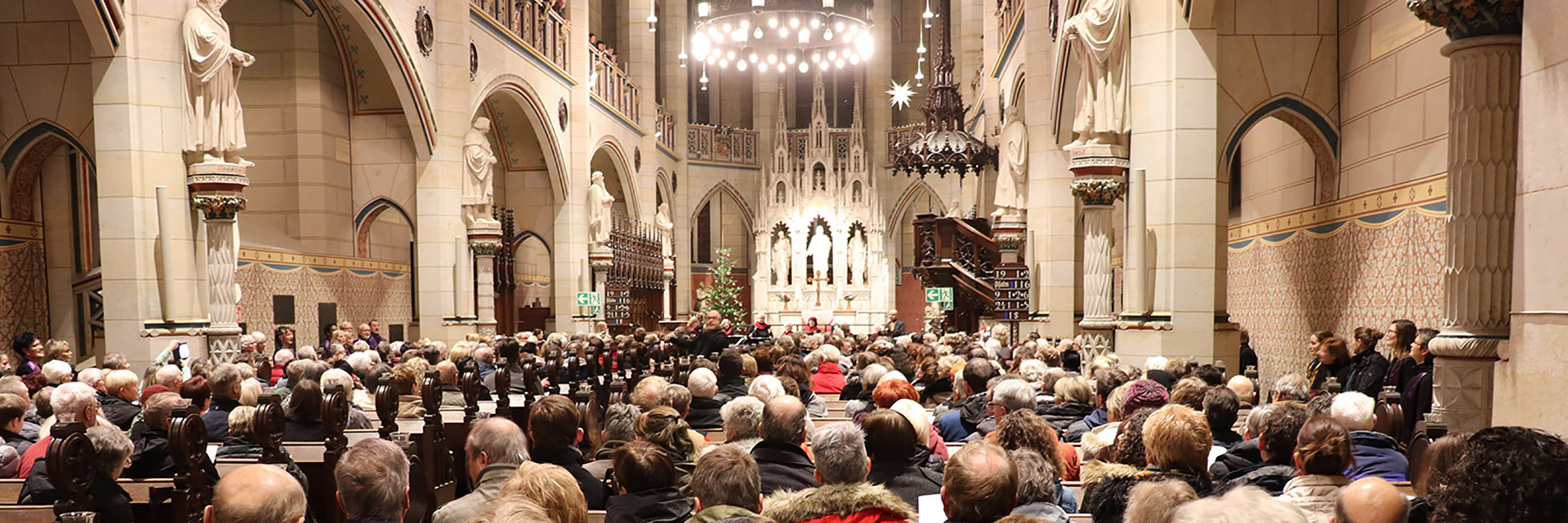
Carl Stein (1824-1902) was organist at the town and castle churches from 1850 to 1901. During his lifetime, his compositions were widely popular. On October 25th, he would celebrate his 200th birthday. To mark this occasion, his only oratorio "The Birth of Jesus" for choir, organ and soloists will be performed as a walking concert. Part I will be performed in the town church, part II in the castle church.
Performers: Wittenberger Kantorei, Schola Cantorum Adam Rener, soloists
Director: Cantor Christoph Hagemann, KMD Ulrich Hirtzbruch
Advance sales at the town church information office:
Opening times in the town church from November 1st to Easter:
Tuesday to Saturday, 12 noon to 4 p.m.; Sunday, 12.30 p.m. to 4 p.m.
Advance sales online: https://www.stadtkirchengemeinde-wittenberg.de/service/konzertkarten/
This celebration takes place every year on November 11th and commemorates Saint Martin of Tours, a kind man who was once a soldier. The best-known story tells of how, on a cold day, he shared his warm cloak with a shivering beggar to help him. We celebrate this day to remember the importance of being kind, helpful, and willing to share with others. For this reason, on St. Martin’s Day, children walk through the darkness carrying colorful, handmade lanterns and singing songs—a symbolic reminder of the benevolent light and charity of Saint Martin.
30 Years of World Heritage
In 1996, the castle church was inscribed on the UNESCO World Heritage List as an almost completely preserved prime example of 19th-century monument preservation. From 2012 to 2016, it was renovated and restored with funding from the State of Saxony-Anhalt, the Federal Republic of Germany, the European Union, and private donors.
Reformation Jubilee in Haderslev – the "Wittenberg of the North"
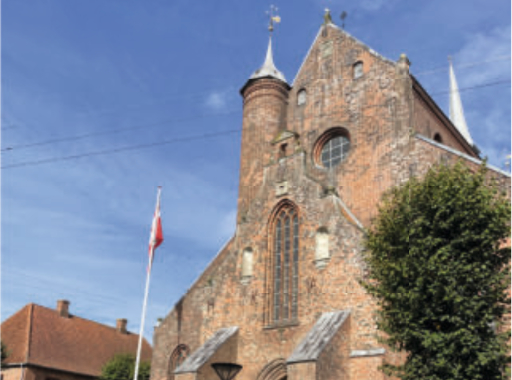
On September 13, 2026, our Danish partner city of Haderslev celebrated the 500th anniversary of the Reformation with a festive church service.
History
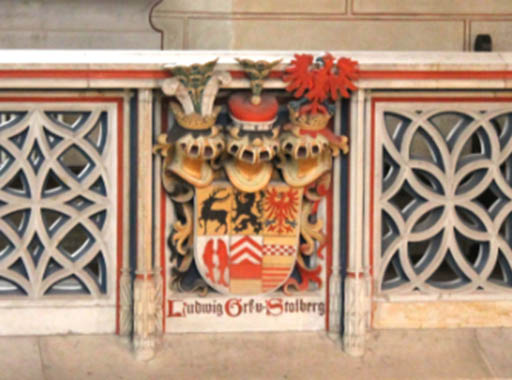
Around 1340, the Ascanian dukes had an "All Saints' Chapel" built at their castle and founded a collegiate monastery in it for liturgical service. Elector Friedrich the Wise had the palace with the chapel demolished and his new residential palace with a more spacious palace church built on the site. You can find out more about the story here.

Church for children
On certain Sundays there is a children's service in the Wittenberg Castle Church, parallel to the adult service. Ms. Felicia Grauel is one of the volunteers for the children's service.